Holistic Healing Practices for Mindful Living
- Stephanie Schumaker
- Apr 20
- 4 min read

In a world that often feels chaotic and overwhelming, the quest for balance and peace has become more important than ever. Holistic healing practices offer a pathway to mindful living, allowing individuals to reconnect with themselves and the world around them. These practices focus on the whole person—mind, body, and spirit—promoting overall well-being rather than just treating symptoms.
Understanding Holistic Healing
Holistic healing is an approach that considers the entire individual rather than just specific ailments. It encompasses various practices, including:
Physical: Exercise, nutrition, and bodywork.
Emotional: Therapy, journaling, and emotional release techniques.
Spiritual: Meditation, mindfulness, and connection to nature.
By addressing all aspects of a person’s life, holistic healing aims to create harmony and balance, leading to a more fulfilling and mindful existence.
The Importance of Mindfulness
Mindfulness is the practice of being present in the moment, fully engaged with the here and now. It encourages individuals to observe their thoughts and feelings without judgment. This practice can significantly enhance the effectiveness of holistic healing methods by fostering a deeper connection to oneself and one’s surroundings.
Benefits of Mindfulness
Reduced Stress: Mindfulness helps lower cortisol levels, reducing stress and anxiety.
Improved Focus: Regular practice enhances concentration and cognitive function.
Emotional Regulation: Mindfulness promotes awareness of emotions, leading to better emotional control.
Holistic Healing Practices to Incorporate
1. Meditation
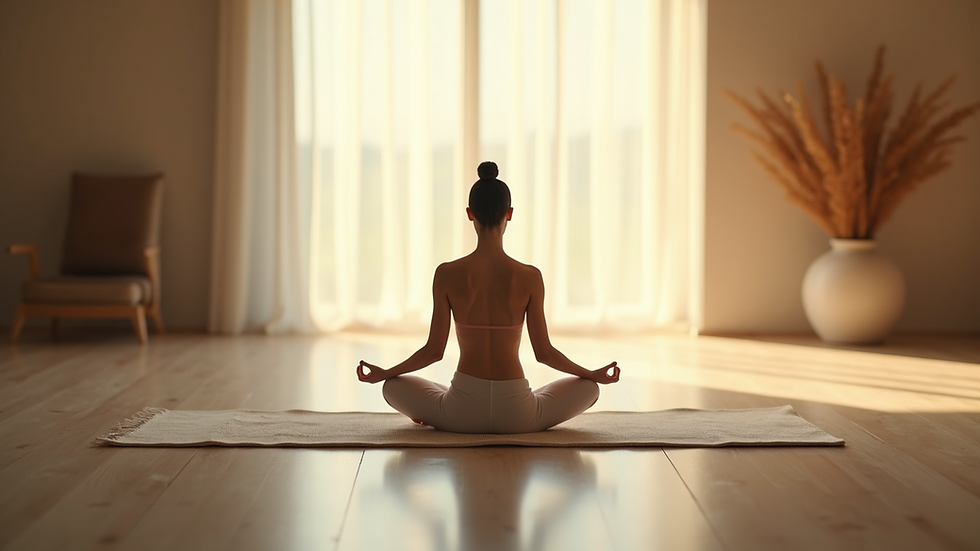
Meditation is a cornerstone of holistic healing and mindfulness. It involves focusing the mind to achieve a state of calm and clarity. There are various forms of meditation, including:
Guided Meditation: Following a narrator or recording to visualize peaceful scenes.
Mindfulness Meditation: Observing thoughts and sensations without attachment.
Loving-Kindness Meditation: Cultivating compassion towards oneself and others.
How to Start: Begin with just five minutes a day, gradually increasing the duration as you become more comfortable.
2. Yoga
Yoga combines physical postures, breathing exercises, and meditation to promote overall well-being. It enhances flexibility, strength, and mental clarity.
Styles of Yoga:
Hatha Yoga: Focuses on physical postures and breathing.
Vinyasa Yoga: Links breath with movement in a dynamic flow.
Restorative Yoga: Uses props to support the body in relaxation.
Benefits: Regular practice can lead to improved physical health, reduced stress, and enhanced mindfulness.
3. Aromatherapy
Aromatherapy utilizes essential oils to promote physical and emotional well-being. Different oils have various effects, such as relaxation, energy, or focus.
Common Essential Oils:
Lavender: Known for its calming properties.
Peppermint: Energizing and invigorating.
Eucalyptus: Supports respiratory health.
How to Use: Diffuse oils in your home, add them to a bath, or apply them topically (diluted with a carrier oil).
4. Nutrition
A balanced diet is vital for holistic health. Eating whole, unprocessed foods nourishes the body and mind.
Key Nutritional Practices:
Eat a Rainbow: Incorporate a variety of fruits and vegetables for a range of nutrients.
Stay Hydrated: Drink plenty of water to support bodily functions.
Mindful Eating: Pay attention to your food, savoring each bite to enhance the eating experience.
5. Nature Connection
Spending time in nature can significantly improve mental and emotional health. Nature has a calming effect, reducing stress and promoting mindfulness.
Ways to Connect with Nature:
Nature Walks: Take a stroll in a park or forest, focusing on the sights and sounds around you.
Gardening: Engage with the earth by planting and nurturing plants.
Outdoor Meditation: Practice mindfulness or meditation in a natural setting.

Integrating Holistic Practices into Daily Life
Incorporating holistic healing practices into your daily routine can be simple and rewarding. Here are some tips to get started:
Set Intentions: Begin each day with a clear intention for your well-being.
Create a Ritual: Establish a morning or evening routine that includes meditation, yoga, or journaling.
Limit Distractions: Designate specific times to unplug from technology and focus on yourself.
Overcoming Challenges in Mindful Living
Transitioning to a more mindful and holistic lifestyle can come with challenges. Here are some common obstacles and how to overcome them:
1. Time Constraints
Many people feel they lack the time to engage in holistic practices. To combat this, start small. Even five minutes of meditation or stretching can make a difference.
2. Skepticism
Some may be skeptical about the effectiveness of holistic practices. Approach these methods with an open mind, and give yourself time to experience their benefits.
3. Consistency
Staying consistent with new practices can be difficult. Consider finding a buddy to join you in your journey, or set reminders to keep you accountable.
The Role of Community in Holistic Healing
Community plays a vital role in supporting holistic healing practices. Engaging with like-minded individuals can enhance motivation and provide a sense of belonging.
Ways to Build Community
Join Classes: Participate in yoga, meditation, or wellness workshops.
Online Groups: Connect with others through social media or forums focused on holistic health.
Local Meetups: Attend local events or gatherings centered around wellness.
Conclusion
Holistic healing practices offer a powerful way to cultivate mindful living. By integrating meditation, yoga, nutrition, and nature connection into your daily routine, you can enhance your overall well-being. Remember, the journey to mindfulness is personal and unique. Start small, stay consistent, and embrace the process.
Take the first step today—your mind, body, and spirit will thank you.

Comments